The late mr. siu kai un

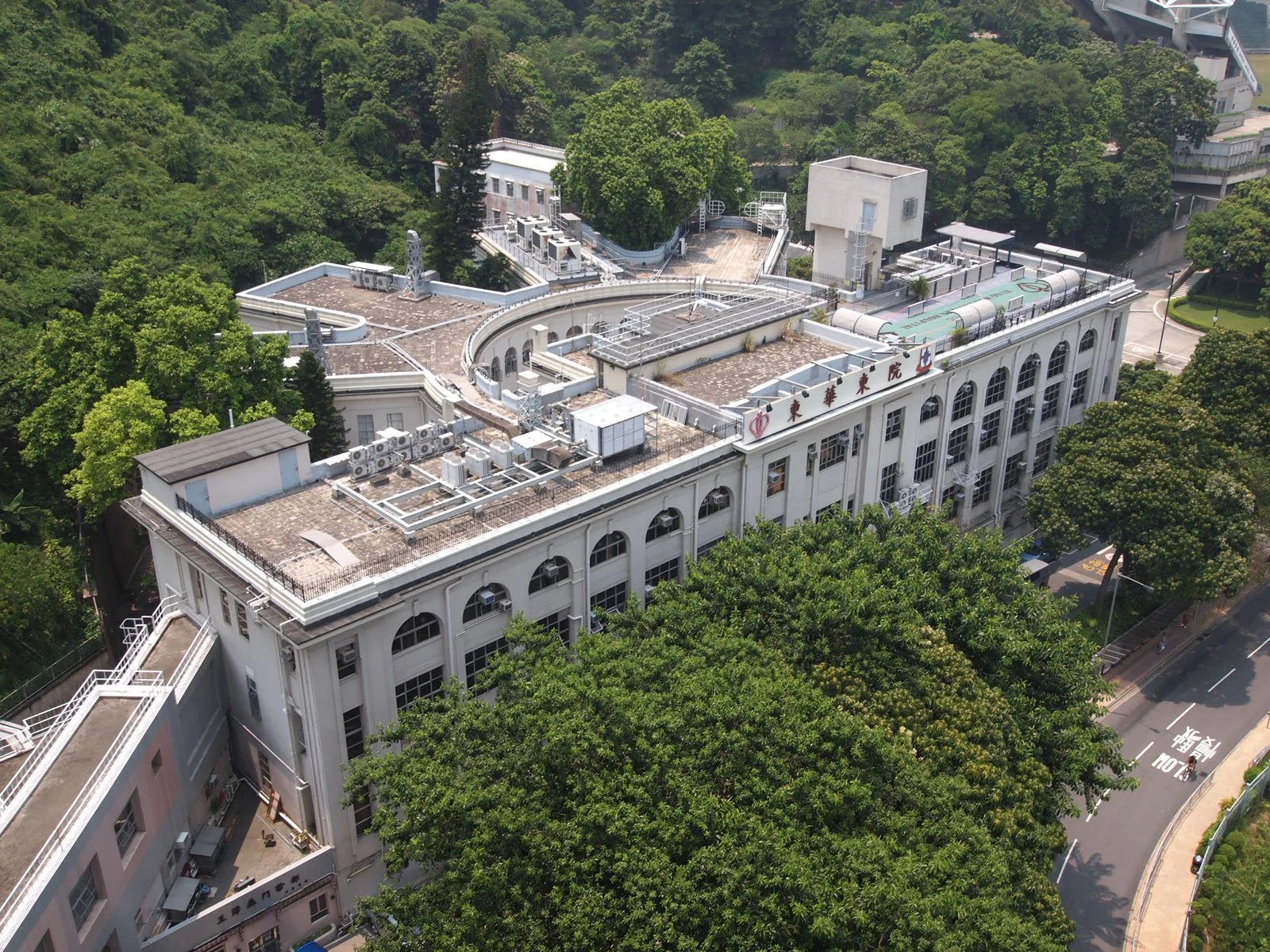
The family clan’s philanthropic tradition finds its earliest expression in the contribution made by our founding patriarch, the late Mr. Siu Un (蕭啟垣alias蕭垣) towards the establishment of the Tung Wah Eastern Hospital, which opened on 27 November 1929. Younger members of the family clan have subsequently sat on the Board of Directors of the Tung Wah Hospital and have continued to generously donate towards worthy medical causes in Hong Kong.
The late Mr. Siu Un also devoted himself to nurturing his children, who would later emerge as prominent figures in Hong Kong’s construction and architectural sector, while also expanding holdings through strategic land acquisitions in the modern-day areas of Wan Chai, Kennedy Road and Happy Valley.
***
A Queen’s College graduate in the late 1870s (formerly Government Central School), the late Mr. Siu Un first cemented his reputation at Russell & Co. (a leading American trading house in the region), eventually becoming Deputy Head Comprador, working alongside his good friend, the late Mr. Fung Wa Chuen who was Head Comprador at Russell & Co..
He then went onto earn a notable reputation as a building contractor for landmark civic and public works infrastructure on behalf of the Hong Kong Government from the early 1900s. THe late Mr. Siu was most notably involved with the construction of the Kowloon Canton Railway (British section) and the Lee Theatre in Causeway Bay (which at the time was widely regarded as the most modern theatre in Asia). He also amassed considerable wealth from landownership and development in Wan Chai, Kennedy Road and Happy Valley; and strategic holdings in companies linked to Russell & Co. and it's successor, Shewan, Tomes & Co.
His donation of HK$2,000.00 in the 1920s, a very substantial sum at the time, placed him among the most generous individual benefactors of the Tung Wah Eastern Hospital. His name and portrait is displayed prominently alongside other distinguished figures such as Sir Tang Shiu Kin, KBE (eminent entrepreneur and philanthropist), Sir Cecil Clementi, GCMG (former Governor of Hong Kong and noted Sinologist), Sir Shouson Chow CMG (distinguished politician and entrepreneur) and Mr. Fung Ping Shan (renowned entrepreneur and benefactor), all of whom contributed similar amounts. The names of these individuals, along with the corresponding donation figures, are permanently commemorated on a prominent donor wall situated within the hospital’s interior; an enduring testament to their collective civic spirit.
At the time, Tung Wah Eastern Hospital was one of the most influential Chinese institutions in Hong Kong, providing essential care to the Chinese community at a time when colonial healthcare provision for the local population was limited.
While the hospital’s founding mission was to provide medical care that was administered “by Chinese, for Chinese” it also played a broader socio-political role at a time when the institutions of government had limited experience governing the Chinese. As noted by historian Dr. Elizabeth Sinn in her first book in 1989 (former Deputy Director, Centre of Asian Studies, HKU) :
“It also reveals the important social and political role the Hospital Committee played in the nineteenth century and show the great extent to which the Hospital’s history is the history of Hong Kong itself”
(Sinn E. (1989). Power and Charity: the early history of the Tung Wah Hospital. Oxford University Press).
Link: History of Tung Wah Eastern Hospital - Hospital Authority
Photo credit: Tung Wah Group of Hospitals.